In the world of CNC (Computer Numerical Control) systems, precision and efficiency are paramount. Whether in metal fabrication, engraving, or cutting applications, these systems depend on intricate machinery and advanced technologies. One such advancement is the use of PlasmaDiv – a vital component that plays a crucial role in controlling plasma cutting machines. This article explores the concept of PlasmaDiv and its significance in CNC plasma electronics.
As we delve deeper into the subject, we’ll also examine the interconnected role of stepper motor drivers and stepper motor current regulation, which contribute to the overall performance of CNC systems. Each of these elements works in harmony, ensuring that machines operate with accuracy, responsiveness, and reliability. By understanding these components, you’ll gain a clearer picture of how modern CNC systems achieve their impressive capabilities in various industries.
In this article, we will break down the complex functions of these components into four detailed chapters, starting with an in-depth exploration of PlasmaDiv and its critical position in the broader framework of CNC plasma cutting. From there, we’ll look at CNC plasma electronics and how stepper motor drivers and current regulation tie into achieving precise and controlled movements in the system. By the end, you’ll have a comprehensive understanding of how these technologies combine to power CNC plasma machines efficiently.
PlasmaDiv – The Heart of CNC Plasma Cutting Systems
In the world of CNC plasma cutting, PlasmaDiv is a key technology that ensures precision, safety, and efficiency in operations. It is a crucial piece of the puzzle in the realm of CNC plasma electronics, where it serves as the interface between the plasma cutter and the control system. But what exactly is PlasmaDiv, and why is it so essential to CNC plasma machines?
What is PlasmaDiv?
At its core, PlasmaDiv is a sophisticated device designed to monitor and control the plasma arc during cutting operations. The device allows for the management of electrical signals, ensuring that the plasma torch receives the correct voltage and current for optimal cutting performance. By precisely controlling the arc and its interactions with the material being cut, PlasmaDiv helps maintain consistent cutting quality, reduces the risk of arc instability, and extends the lifespan of the plasma cutter.
Unlike simpler systems that merely initiate the plasma arc, PlasmaDiv actively manages the parameters of the arc in real-time. This dynamic control allows for better precision and adaptability, especially when dealing with varying material types and thicknesses. The importance of PlasmaDiv cannot be overstated—it enables the CNC plasma electronics to operate smoothly and ensures the cutting process is both efficient and safe.
PlasmaDiv in CNC Plasma Electronics
In the broader context of CNC plasma electronics, PlasmaDiv interacts with several other components of the system, including the motion control unit, the power supply, and the stepper motors. It integrates seamlessly with the controller, which sends commands to the system, and manages the plasma torch’s power supply to optimize the cutting process.
The communication between PlasmaDiv and the controller is essential for regulating the intensity and consistency of the plasma arc. Through the electronics, the system can adjust power levels, cooling cycles, and other critical parameters, making it possible to handle different materials, thicknesses, and cutting speeds effectively.
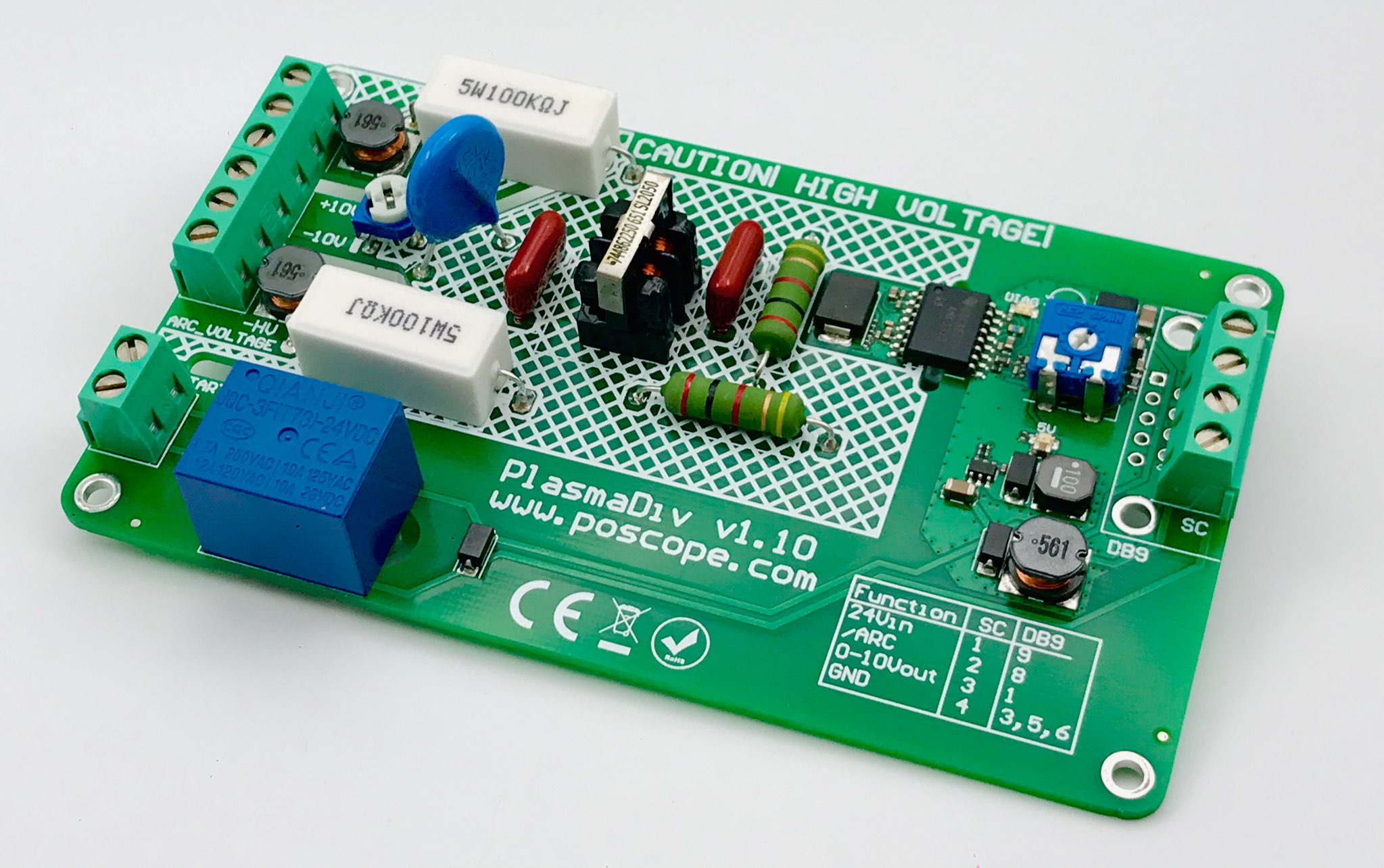
Moreover, PlasmaDiv is designed to keep the plasma arc stable during operation. The arc itself can be a volatile and unpredictable phenomenon, especially when cutting through thick or tough materials. Without proper control, the arc can fluctuate, resulting in poor cut quality or damage to both the material and the cutting equipment. PlasmaDiv ensures that these fluctuations are minimized, allowing for cleaner and more accurate cuts.
The Role of PlasmaDiv in Precision Cutting
Precision is paramount in CNC plasma cutting, and PlasmaDiv plays a pivotal role in achieving it. The system is designed to adjust the plasma arc’s characteristics on the fly, ensuring the torch remains at the optimal distance from the material and that the cut edge is smooth and accurate. By dynamically managing the arc’s stability and power, PlasmaDiv helps eliminate common problems like warping, rough edges, and poor edge quality.
Additionally, PlasmaDiv is equipped with various sensors that constantly monitor the system’s performance. These sensors detect changes in arc voltage and current, which can indicate potential issues such as arc loss or improper voltage levels. If the system detects an anomaly, PlasmaDiv can send signals to the controller, which can then adjust the settings to correct the problem, preventing a faulty cut and protecting the equipment from damage.
PlasmaDiv’s Impact on System Efficiency and Longevity
Efficiency and longevity are major concerns in industrial cutting applications. PlasmaDiv contributes to both by minimizing wear and tear on the plasma cutter and ensuring that the machine operates within its optimal parameters. By stabilizing the plasma arc, PlasmaDiv reduces the risk of overheating, overuse, and other stress factors that could cause premature failure of the cutting components.
Moreover, PlasmaDiv helps optimize energy usage, which is a key consideration in reducing operational costs. By regulating the power supplied to the plasma torch, PlasmaDiv ensures that energy is used effectively, avoiding wasteful fluctuations that could drive up electricity consumption. This efficiency not only contributes to cost savings but also extends the lifespan of the plasma cutter, ensuring that operators get maximum value from their investment in equipment.
In conclusion, PlasmaDiv is not just a supportive technology but a central component in the operation of CNC plasma electronics. Its ability to manage and stabilize the plasma arc ensures precision, efficiency, and reliability in cutting processes. Whether you’re working with thin sheet metal or thick steel plates, PlasmaDiv provides the control needed for consistent, high-quality cuts. As the technology continues to evolve, its role in CNC systems will undoubtedly grow, further enhancing the capabilities of modern plasma cutting machines. In the next chapter, we’ll explore how CNC plasma electronics work in conjunction with PlasmaDiv and other components to power the CNC system effectively.
CNC Plasma Electronics – The Backbone of Modern Plasma Cutting Systems
The intricate world of CNC plasma electronics forms the backbone of modern plasma cutting systems, enabling machines to operate with exceptional accuracy, speed, and efficiency. At the heart of these systems lies a network of electronic components that work together to control and monitor every aspect of the plasma cutting process. In this chapter, we’ll explore the key components of CNC plasma electronics and how they interact with devices like PlasmaDiv to optimize cutting operations.
The Role of CNC Plasma Electronics
At its most fundamental level, CNC plasma electronics are responsible for controlling the various motions, parameters, and functions of a plasma cutting system. These electronics govern the entire cutting process, from the moment the plasma torch is activated to the final cut. They include a range of hardware and software components that ensure the cutting machine operates smoothly and precisely, offering features like automatic height control, speed regulation, and arc stability.
One of the primary functions of CNC plasma electronics is to manage the plasma power supply. The plasma cutter’s power supply must be carefully controlled to ensure the right level of energy is delivered to the plasma arc, which in turn affects the quality and speed of the cut. The electronics monitor and adjust the voltage and current levels, responding in real-time to changes in material thickness or type, ensuring that the cutting process remains optimal throughout.
Integration with PlasmaDiv
As we discussed in the previous chapter, PlasmaDiv is a vital component in CNC plasma systems, offering real-time control over the plasma arc. The integration of PlasmaDiv with CNC plasma electronics ensures that the system is capable of making fine adjustments to both the plasma arc and the machine’s movements.
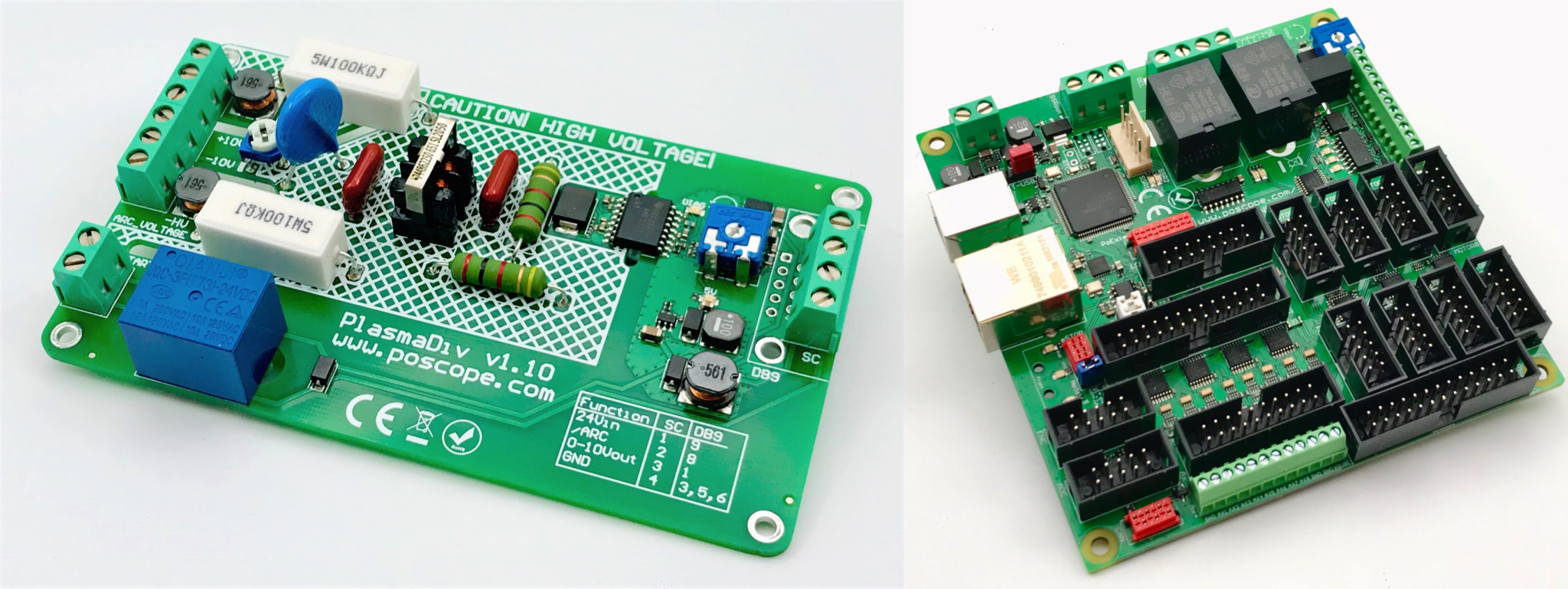
When PlasmaDiv detects fluctuations in the plasma arc—whether caused by changes in material properties, speed, or arc stability—it sends signals to the electronics to adjust the power levels, height of the torch, or speed. This feedback loop ensures that the cutting operation remains consistent, minimizing the chances of defects or deviations in the cut.
Furthermore, CNC plasma electronics are often responsible for managing the motion control system of the machine. This system uses stepper motors (often integrated with stepper motor drivers) to move the plasma torch in precise patterns, according to the cutting path programmed by the operator. The electronics interpret the instructions from the CNC software and send corresponding commands to the motors, ensuring accurate positioning and smooth movement during the cutting process.
The Importance of Signal Processing and Control
The precision of CNC plasma electronics is largely due to the sophisticated signal processing and control mechanisms built into the system. These electronics must continuously process feedback from various sensors—such as voltage and current sensors, height sensors, and temperature sensors—to make rapid adjustments. This constant processing ensures that the system adapts to any changes in the cutting environment, whether it’s the material’s texture, thickness, or the speed at which the torch is moving.
One key aspect of CNC plasma electronics is their ability to work with various types of control systems. Many CNC plasma systems use G-code (a language used to control automated machine tools) to define the cutting path and parameters. The electronics interpret these instructions, translate them into motor movements, and adjust the plasma arc accordingly. The interaction between the software and the electronics is what allows the machine to perform complex cuts with extreme precision.
Communication Between Components
Communication between various components of the CNC system is another essential function of CNC plasma electronics. The electronics must ensure that the plasma power supply, motion control system, sensors, and even the cooling systems are all working in sync. These components communicate via a series of signals, each carrying important data that influences the behavior of the entire system. For example, if a height sensor detects that the plasma torch is too close to the material, the electronics can instruct the system to raise the torch slightly, maintaining the proper standoff distance and preventing a damaged or poor-quality cut.
Effective communication between CNC plasma electronics and other system components like PlasmaDiv also allows for better troubleshooting and diagnostics. If the system detects an issue—such as an arc instability or motor malfunction—the electronics can alert the operator and offer solutions. This reduces downtime and increases the overall efficiency of the cutting process, ensuring that the machine runs optimally.
Power Supply and Stability
One of the critical aspects of CNC plasma electronics is their ability to maintain a stable power supply to the plasma cutter. The power supply is responsible for generating the high-energy plasma arc that cuts through metal, and it must be regulated precisely to avoid issues such as overheating or poor-quality cuts.
The electronics play a significant role in controlling the power supply by continuously adjusting voltage and current to meet the demands of the material being cut. If the system detects changes in material thickness, it can automatically adjust the power settings to maintain a stable arc. This ability to adapt in real-time is crucial for maintaining the integrity of the cut, preventing waste, and improving operational efficiency.
In conclusion, CNC plasma electronics form the nerve center of modern plasma cutting systems, integrating with components like PlasmaDiv to manage the complex variables involved in the cutting process. By ensuring precise control over the plasma arc, the motion system, and the power supply, these electronics enable plasma cutters to perform at their highest potential. With real-time adjustments, feedback processing, and seamless communication between components, CNC plasma electronics are essential for achieving high-quality cuts and maximizing the efficiency of the cutting process. In the next chapter, we will take a closer look at the role of stepper motor drivers and how they contribute to the overall functionality of CNC systems.
Stepper Motor Drivers – The Key to Precise Motion Control in CNC Systems
In any CNC plasma cutting system, precise motion control is essential for ensuring accurate and efficient cutting. A significant part of this precision comes from stepper motor drivers, which serve as the bridge between the control electronics and the stepper motors themselves. These drivers are integral to the movement of the plasma cutter, enabling the motors to move the plasma torch with exact precision, following the programmed paths and instructions. In this chapter, we’ll delve into the role of stepper motor drivers in CNC systems, how they work, and why they are critical to achieving high-quality results in plasma cutting.
What are Stepper Motor Drivers?
A stepper motor driver is an electronic component responsible for controlling the stepper motor’s movement in a CNC system. Unlike standard motors, which operate on continuous rotation, stepper motors move in discrete steps or increments. This allows for incredibly precise control over the motor’s position, making it ideal for applications like CNC plasma cutting, where accuracy is crucial.
The stepper motor driver receives signals from the CNC plasma electronics or controller and translates them into electrical pulses that drive the stepper motor. These pulses determine how far the motor moves, and how quickly. By regulating these pulses, the stepper motor driver ensures that the motor moves in perfect synchronization with the rest of the system, following the exact paths and movements required for precise cutting.
How Stepper Motor Drivers Work
The operation of stepper motor drivers is based on the principle of pulse width modulation (PWM). Essentially, the driver sends a series of electrical pulses to the stepper motor, which causes the motor to move a specific number of steps. The more pulses that are sent, the further the motor turns, and the speed of the motor is determined by how fast those pulses are sent.
The driver controls the current and voltage supplied to each of the motor’s coils. By carefully managing this power, the stepper motor driver ensures that the motor operates at the correct speed and torque needed for the CNC cutting process. The driver also provides feedback to the CNC controller, allowing for adjustments if there are any issues with the motor’s performance, such as skipping steps or running too slowly.
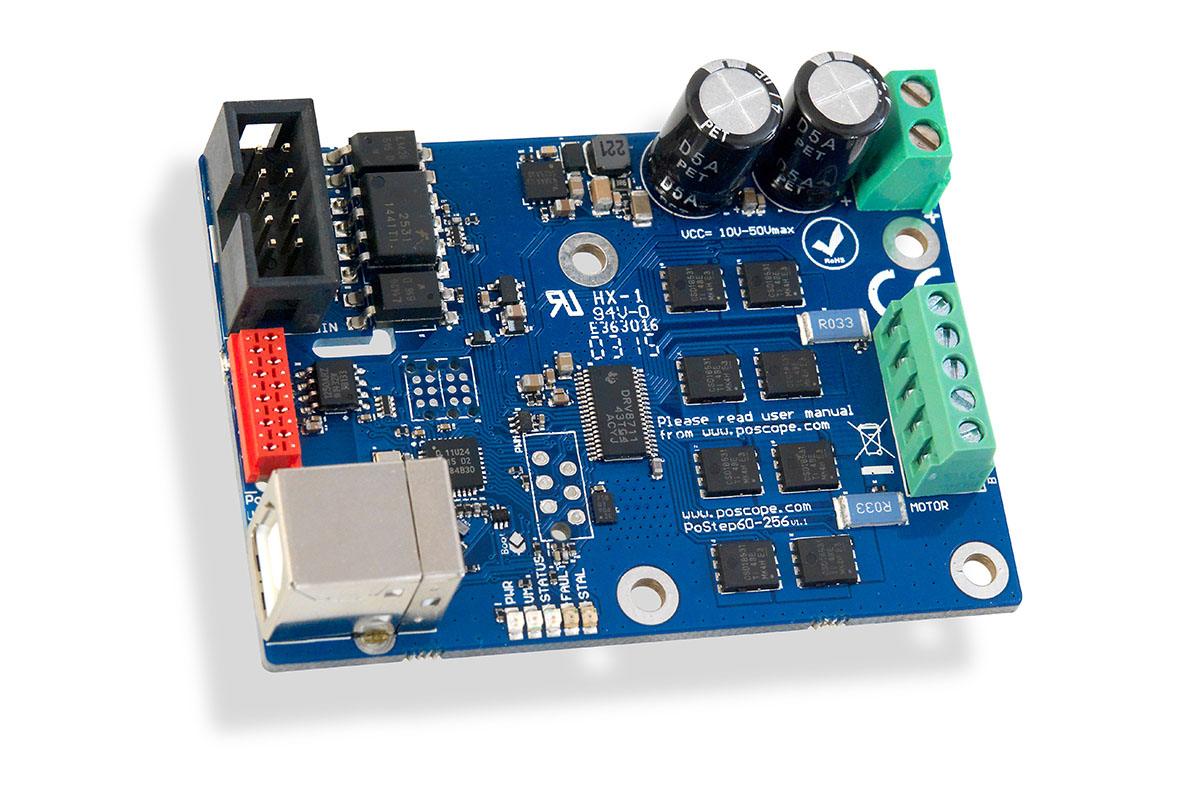
In CNC plasma cutting systems, stepper motor drivers are responsible for moving the plasma torch along its cutting path. Whether it’s traveling in a straight line, making intricate curves, or following complex shapes, the precision of the stepper motor’s movement is crucial. The driver makes sure that every movement is executed with accuracy, ensuring that the plasma torch follows the exact path programmed into the system.
Stepper Motor Drivers and Torque Control
One of the key functions of a stepper motor driver is controlling the torque produced by the stepper motor. Torque refers to the force that causes the motor to rotate, and it is an essential factor in ensuring that the motor moves the plasma torch smoothly and without hesitation.
In a CNC plasma system, the cutting process often requires the stepper motor to move the plasma torch against varying levels of resistance, such as when cutting thicker materials or when dealing with resistance from rough surfaces. A stepper motor driver adjusts the current and voltage supplied to the motor to ensure that it has enough torque to overcome these challenges, without causing jerky movements or missed steps.
By regulating torque, the stepper motor driver also ensures that the plasma torch moves smoothly at the right speed, avoiding issues like overshooting or undershooting the cutting path. This is essential for maintaining the precision of the cut, particularly when working with materials that require fine detail or when performing high-speed cuts.
The Relationship Between Stepper Motor Drivers and PlasmaDiv
In CNC plasma systems, stepper motor drivers and PlasmaDiv work in tandem to ensure both accurate motion control and stable plasma arc operation. While PlasmaDiv focuses on stabilizing the plasma arc and managing power supply to the plasma torch, the stepper motor driver ensures that the torch moves along the correct cutting path.
The two components communicate with each other through the CNC plasma electronics. For instance, as the stepper motors move the plasma torch, PlasmaDiv monitors the arc’s performance, making real-time adjustments to maintain optimal cutting conditions. If the system detects a change in material thickness or a variation in cutting speed, the PlasmaDiv will adjust the plasma arc, while the stepper motor driver continues to ensure precise movement of the torch. Together, these components allow for a harmonious cutting process, where both the motion and the arc remain stable and aligned.
Stepper Motor Drivers and System Efficiency
The efficiency of a CNC plasma cutting system can be heavily influenced by the performance of its stepper motor drivers. A well-calibrated driver ensures that the stepper motor runs smoothly, without unnecessary delays or energy losses. Efficient stepper motor drivers help reduce the overall power consumption of the system, extending the lifespan of the components and lowering operational costs.
In addition to controlling motor performance, stepper motor drivers can also contribute to the overall safety of the system. By providing protection against overcurrent, overheating, and other potential hazards, the driver ensures that the motor operates within safe parameters, preventing damage to the equipment and reducing the likelihood of breakdowns.
Types of Stepper Motor Drivers
There are several types of stepper motor drivers available, each with its specific advantages depending on the requirements of the CNC plasma system. The most common types are:
Unipolar Drivers – These drivers control the current in a single direction, typically used for smaller, less demanding applications. Unipolar drivers are simpler but less efficient than bipolar drivers.
Bipolar Drivers – These are more efficient and commonly used in CNC applications due to their ability to provide more torque and finer control over the motor. Bipolar drivers control current in both directions, allowing for better performance in demanding tasks.
Microstepping Drivers – These drivers allow for very fine control over the motor, offering smoother and more precise movements. Microstepping is especially beneficial in applications like CNC plasma cutting, where high precision is necessary.
In conclusion, stepper motor drivers are a vital part of CNC plasma systems, playing a crucial role in ensuring the precise movement of the plasma torch. By regulating the motor’s speed, torque, and position, these drivers help achieve the accuracy required for high-quality plasma cuts. Whether it’s moving the torch along complex paths or adjusting for varying material resistances, stepper motor drivers make it possible for the CNC system to perform at its best.
As we’ve seen, stepper motor drivers also work closely with PlasmaDiv and CNC plasma electronics to ensure that the entire system functions cohesively. In the next chapter, we will explore the importance of stepper motor current regulation and how it affects the overall performance of CNC plasma cutting systems.
Stepper Motor Current – Ensuring Optimal Performance and Efficiency
In CNC plasma cutting systems, the regulation of stepper motor current plays a crucial role in achieving both optimal performance and system efficiency. The stepper motor’s current directly impacts its torque, speed, and precision, and improper current settings can lead to performance issues such as missed steps, overheating, or poor-quality cuts. In this chapter, we’ll explore how stepper motor current affects CNC systems, why it’s essential to manage it correctly, and the methods used to regulate it for maximum effectiveness.
Understanding Stepper Motor Current
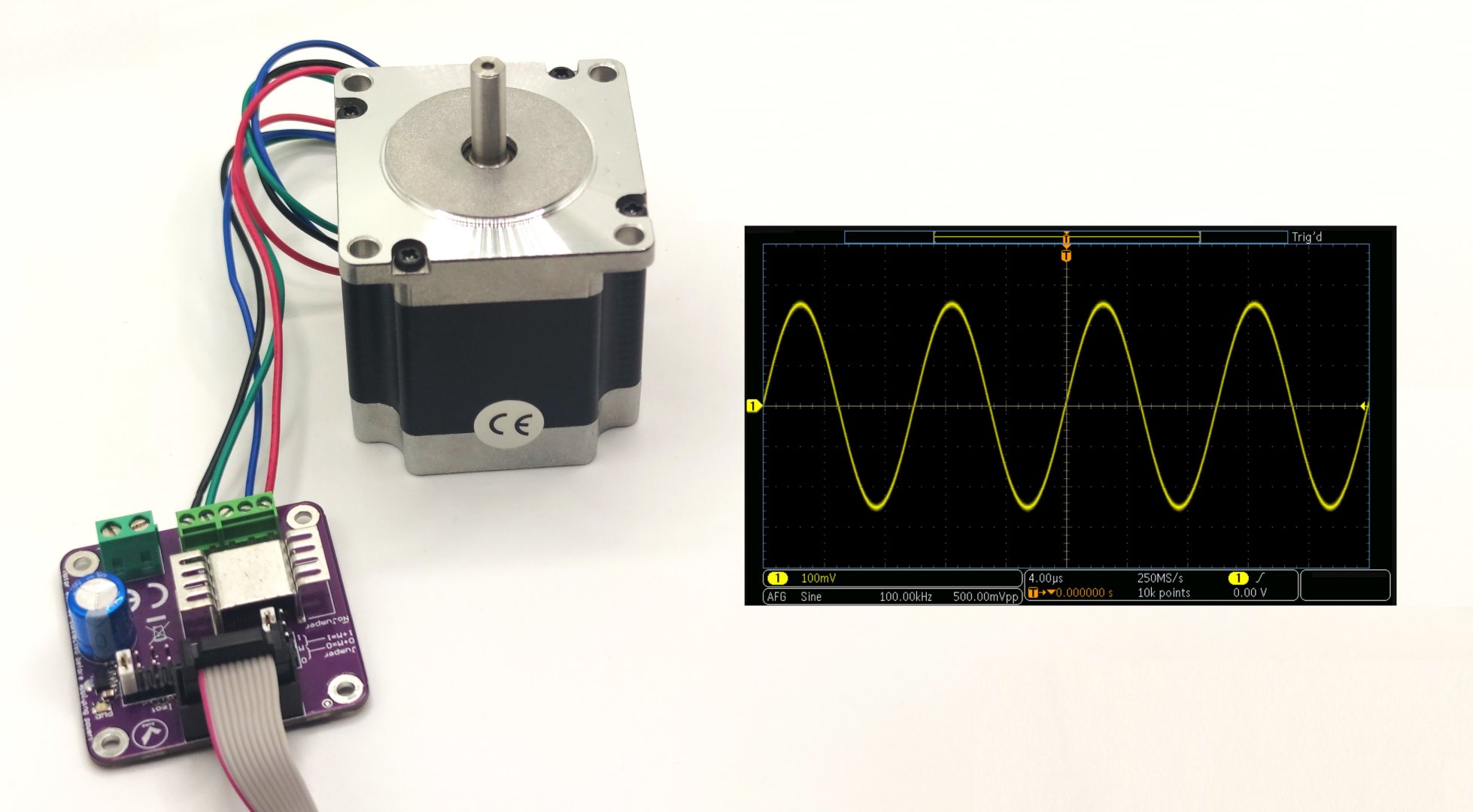
To fully appreciate the importance of stepper motor current, it’s essential to understand how stepper motors work. Stepper motors move in discrete steps, with each step representing a precise angular displacement. The motor’s ability to move accurately depends on the current flowing through its coils. The amount of current determines the torque generated by the motor, which in turn affects the motor’s ability to move the plasma torch with precision.
When the current is too low, the motor may not generate enough torque to overcome resistance, leading to missed steps or stuttering motion. On the other hand, too much current can cause overheating, excessive power consumption, and reduced motor lifespan. Therefore, finding the optimal stepper motor current is critical for achieving the desired performance without compromising the longevity of the system.
The Role of Stepper Motor Current in Performance
Stepper motor current directly influences several key aspects of motor performance, including torque, speed, and precision.
Torque – The current flowing through the coils of a stepper motor is directly proportional to the torque the motor generates. Higher currents result in greater torque, allowing the motor to move the plasma torch more easily, especially against varying resistances such as thicker materials. This is particularly important in CNC plasma systems where precision cuts need to be made in metals of different thicknesses.
Speed – The speed at which a stepper motor operates is also affected by the current supplied. When sufficient current is provided, the motor can achieve higher speeds without losing steps. However, if the current is too low, the motor may struggle to maintain speed and may stall or lag behind. In CNC plasma cutting, maintaining a consistent speed is crucial for ensuring that the torch follows the programmed cutting path accurately.
Precision – Precision in CNC plasma cutting is essential, and stepper motor current is a key factor in achieving this. The current affects the motor’s ability to move in small, precise increments. A consistent and carefully regulated current ensures that the motor moves in exact steps, resulting in clean, accurate cuts. Inaccurate current regulation can lead to deviations in the cutting path, leading to defects and lower cut quality.
Current Regulation Methods
To ensure that the stepper motor receives the optimal amount of current, several methods of stepper motor current regulation are employed in CNC systems. These methods help balance performance and efficiency, preventing overcurrent or undercurrent situations.
Constant Current Control – One common approach to regulating stepper motor current is using constant current control. In this method, the driver maintains a consistent current supply to the motor, ensuring that the torque remains stable throughout the operation. This type of regulation is particularly useful in applications where the motor is subjected to varying loads, as it provides a steady supply of current regardless of the load changes.
Microstepping – Microstepping is another technique used to regulate stepper motor current. By breaking down the motor’s steps into smaller increments (microsteps), microstepping allows for finer control over the motor’s movement. This technique helps smooth out the motor’s motion, reducing the occurrence of vibrations and enhancing precision. It also helps manage current distribution more effectively, ensuring that the motor operates efficiently without drawing excessive power.
Current Limiting – To prevent the motor from drawing too much current and overheating, many CNC systems incorporate current limiting features into the stepper motor driver. This method sets a maximum threshold for the current that can flow through the motor, protecting the motor from damage and reducing the risk of thermal overload. Current limiting helps extend the motor’s lifespan by ensuring it does not consistently operate at high current levels.
Dynamic Current Control – Dynamic current control involves adjusting the stepper motor current in real-time based on the motor’s performance and the cutting conditions. For example, if the plasma torch is cutting through a thick material that requires more torque, the current can be increased to provide the necessary power. Conversely, if the motor is cutting through thinner material that requires less torque, the current can be reduced to optimize efficiency and prevent energy waste. Dynamic current control is especially beneficial in CNC plasma systems that frequently cut materials of varying thicknesses and densities.
Impact of Stepper Motor Current on System Efficiency
Efficient regulation of stepper motor current is not just about achieving optimal motor performance; it also impacts the overall efficiency of the CNC plasma system. Proper current regulation helps minimize energy consumption, as the system only draws the necessary amount of power to operate effectively. By avoiding excessive current draw, systems can reduce operating costs, lower electricity bills, and prevent unnecessary wear and tear on components.
In addition, stepper motor current regulation helps prevent overheating and reduces the strain on the system. When the motor draws excessive current, it can become hot, potentially damaging the winding insulation and other components. By carefully managing the current, the system can operate at lower temperatures, prolonging the lifespan of both the motor and the driver.
The Interplay Between Stepper Motor Current, PlasmaDiv, and CNC Electronics
The effective regulation of stepper motor current is deeply intertwined with the functioning of PlasmaDiv and CNC plasma electronics. As the stepper motor driver adjusts the current to the motor, PlasmaDiv ensures that the plasma arc remains stable and consistent. If there are fluctuations in the plasma arc, the electronics may adjust the motor’s speed or torque, requiring precise control over the stepper motor current to maintain the cutting quality.
Furthermore, the feedback provided by the CNC plasma electronics can influence the current supplied to the motor. For example, if the system detects that the plasma arc is becoming unstable, the electronics may command the motor to slow down, adjusting the current to prevent overloading. This real-time communication between the components ensures that the entire system operates in harmony, achieving the desired cutting quality with minimal risk of failure.
In conclusion, stepper motor current plays a pivotal role in the overall performance and efficiency of CNC plasma cutting systems. By regulating the current supplied to the stepper motors, the system ensures that the plasma torch moves with precision, overcoming resistances and achieving high-quality cuts. Proper regulation methods, including constant current control, microstepping, current limiting, and dynamic current control, all contribute to maximizing the motor’s performance while minimizing energy waste and component wear.
When combined with PlasmaDiv and CNC plasma electronics, precise control over stepper motor current allows for a seamless and efficient plasma cutting process. As CNC technology continues to evolve, the importance of current regulation will only increase, driving improvements in both cutting performance and system longevity. With the right balance of current, torque, and speed, CNC plasma systems can achieve their full potential, delivering accurate, high-quality cuts for a wide range of industrial applications.
The Integration of PlasmaDiv, CNC Plasma Electronics and Stepper Motor Current in Modern CNC Plasma Systems
In the world of CNC plasma cutting, achieving precision, efficiency, and quality is paramount. The technologies that drive these systems work together in harmony to ensure that every cut is executed with accuracy, speed, and minimal error. Throughout this article, we’ve explored the critical components that make up modern CNC plasma cutting systems: PlasmaDiv, CNC plasma electronics, stepper motor drivers, and stepper motor current regulation.
At the core of these systems is PlasmaDiv, which stabilizes the plasma arc, providing the necessary adjustments to ensure smooth, high-quality cuts. It’s closely integrated with CNC plasma electronics, which handle the critical task of managing power supplies, motion control, and overall system coordination. The stepper motor drivers then translate the system’s commands into precise motor movements, ensuring that the plasma torch follows the correct cutting paths, whether they are straight lines or intricate curves.
Equally important is the regulation of stepper motor current. Proper current management ensures that the stepper motors generate the right amount of torque, speed, and precision to move the plasma torch smoothly and effectively. By optimizing the current, CNC systems can achieve greater energy efficiency, reduce wear and tear on components, and ensure the motor operates at peak performance without risking overheating or underperformance.
Each of these components contributes to the overall efficiency of the CNC plasma cutting system, working in tandem to provide both stability and precision. From the initial power adjustments made by PlasmaDiv to the fine control over stepper motor current, every aspect of the system is designed to deliver accurate, high-quality cuts. Together, these elements represent the future of plasma cutting technology, where advanced electronics and precise control systems come together to push the boundaries of what’s possible in industrial cutting applications.
As CNC technology continues to evolve, the role of PlasmaDiv, CNC plasma electronics, stepper motor drivers, and stepper motor current regulation will only grow in importance. For manufacturers looking to achieve the best possible results, understanding and optimizing each of these components is essential to maintaining a competitive edge in today’s fast-paced, precision-driven world of metal cutting. With these technologies in place, CNC plasma systems are poised to deliver unparalleled performance, efficiency, and quality for years to come.