In the world of modern manufacturing, precision is key to producing high-quality products. One of the technologies that has significantly advanced the field of metal cutting is CNC plasma cutting, which combines computer control with the power of plasma arcs to cut through various metals with speed and accuracy. At the heart of this technology lies a number of components that ensure the system operates efficiently and effectively. One such critical component is PlasmaSensOut. This technology plays an integral role in enhancing the capabilities of CNC plasma cutting systems, ensuring the right level of precision, and minimizing errors during operation.
As we delve deeper into the world of CNC plasma cutting, it’s important to understand not only the significance of PlasmaSensOut, but also the surrounding technologies that make it function optimally. From understanding the basics of CNC plasma cutting to exploring the intricacies of the CNC plasma Z-axis and floating head, this article will provide a comprehensive overview of the key elements that contribute to the cutting precision in the modern manufacturing world. Whether you’re a beginner looking to understand how these technologies work or a professional seeking to improve your systems, this guide will serve as a valuable resource. Let’s dive into the fascinating world of plasma cutting, starting with one of the most advanced technologies: PlasmaSensOut.
PlasmaSensOut – Revolutionizing Plasma Cutting Technology
PlasmaSensOut is an advanced technology designed to enhance the performance and accuracy of CNC plasma cutting systems. In essence, PlasmaSensOut is a sophisticated sensor system that helps to monitor and control key parameters during the cutting process, ensuring the plasma torch operates at its peak efficiency. This technology addresses some of the inherent challenges in plasma cutting, such as maintaining consistent cut quality and reducing the likelihood of defects, which are crucial for industries where precision is non-negotiable.
One of the key functions of PlasmaSensOut is its ability to monitor the distance between the plasma torch and the material being cut. In traditional plasma cutting systems, the distance between the torch and the workpiece is critical for achieving optimal cutting results. If the torch is too far from the material, the plasma arc can become unstable, leading to poor cut quality, excessive heat, or even the inability to cut through thicker materials. On the other hand, if the torch is too close, it can result in excessive wear on the nozzle, reducing its lifespan and negatively impacting the cut’s precision. PlasmaSensOut uses real-time feedback to adjust and maintain the torch height, ensuring the plasma arc stays stable throughout the cutting process.
This ability to maintain optimal torch height is particularly important when dealing with materials of varying thicknesses. PlasmaSensOut works by continuously adjusting to the surface irregularities of the workpiece, automatically compensating for any changes in height. This means that no matter how uneven the material surface may be, the system can make adjustments to keep the torch at the ideal distance. This leads to cleaner cuts, more consistent results, and a reduction in the time and resources spent on rework or repairs.
Moreover, PlasmaSensOut enhances the overall efficiency of CNC plasma cutting systems by reducing the need for manual intervention. With traditional systems, operators had to manually adjust the torch height or rely on external sensors that could be less accurate. With PlasmaSensOut, this process becomes automated, saving time and reducing the chance for human error. The technology also increases the system’s ability to handle complex cutting tasks, making it easier to cut intricate patterns or shapes with precision.
Beyond the operational benefits, PlasmaSensOut also contributes to the longevity of the plasma cutting system itself. By maintaining optimal torch height, the system can reduce unnecessary wear and tear on the consumables, such as the nozzle and electrode, which in turn extends their lifespan. This not only lowers operational costs by reducing the need for frequent replacements but also ensures that the system consistently performs at a high level, maintaining the quality of each cut over time.
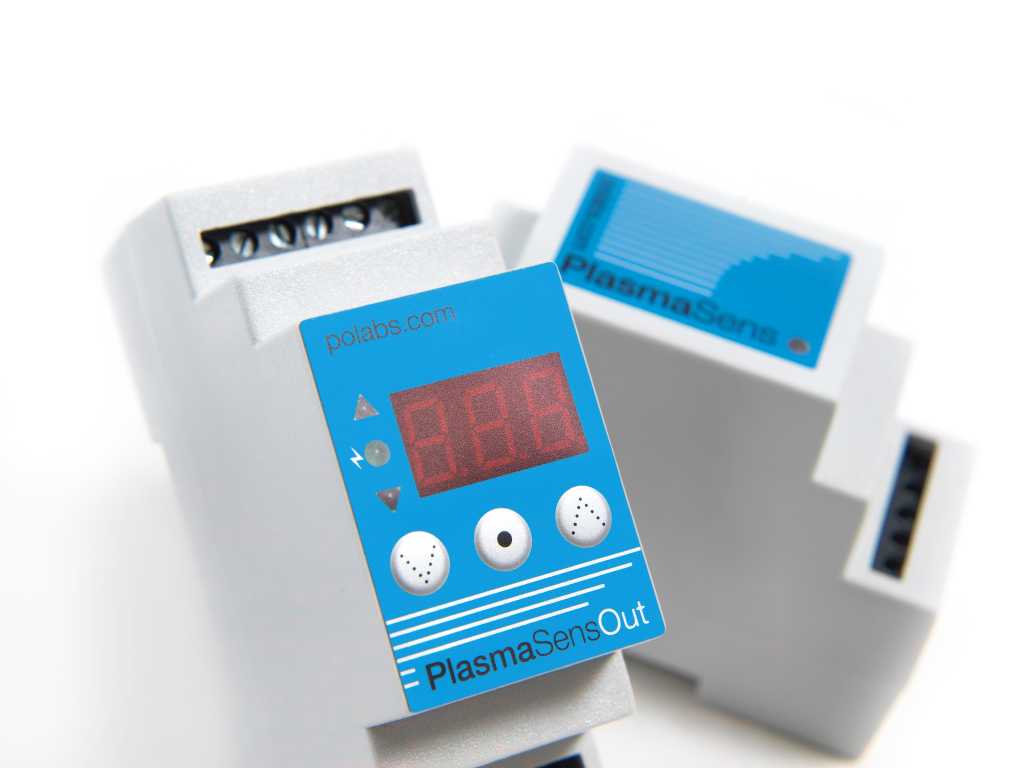
Additionally, PlasmaSensOut can be integrated with other technologies in CNC plasma cutting systems to create a more comprehensive cutting solution. For instance, when paired with advanced motion control systems, PlasmaSensOut can help coordinate the movement of the torch with the material’s surface, further improving accuracy and speed. It can also work in conjunction with other sensors that monitor variables such as gas pressure or temperature, allowing the entire system to adapt and respond to changes in real-time for an even more optimized cutting process.
In conclusion, PlasmaSensOut is an essential innovation in the field of CNC plasma cutting, bringing together automation, precision, and efficiency to create a cutting solution that meets the demands of modern manufacturing. By providing real-time feedback and adjustments to the torch height, this technology ensures optimal performance, superior cut quality, and longer-lasting equipment. As industries continue to evolve and the need for precision and efficiency grows, PlasmaSensOut will undoubtedly remain at the forefront of plasma cutting technology, playing a pivotal role in driving improvements in the cutting process and shaping the future of metal fabrication.
What is CNC Plasma Cutting?
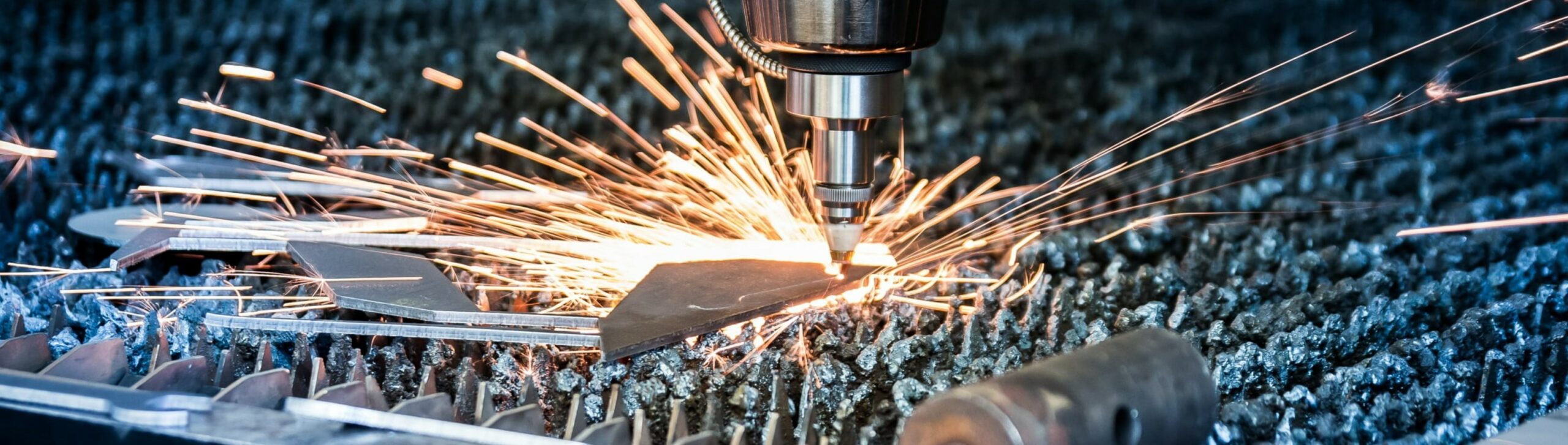
What is CNC plasma cutting? Its a state-of-the-art technology that combines computer numerical control (CNC) with plasma cutting to produce highly precise and efficient cuts in metal. The process uses a high-temperature plasma arc to melt and blow away material from a workpiece, while the CNC system controls the movement of the plasma torch with extreme accuracy. This technology is widely used in industries such as automotive, aerospace, construction, and manufacturing, where precision and speed are crucial in fabricating complex metal components.
At its core, CNC plasma cutting involves creating a plasma arc that is capable of reaching temperatures as high as 30,000°C. The arc forms when a gas (usually air, oxygen, or nitrogen) is ionized by an electrical current, turning the gas into a highly conductive state called plasma. The plasma is then directed at the metal surface, effectively cutting through the material with high speed and efficiency. The heat of the plasma melts the material, and the force of the compressed gas blows the molten metal away, leaving behind a clean cut.
The integration of CNC into plasma cutting systems provides several advantages over traditional manual cutting methods. With CNC plasma cutting, the movement of the torch is controlled by a computer program, which allows for automated and precise cuts based on pre-programmed designs. This eliminates human error, improves repeatability, and speeds up the cutting process. In contrast, manual plasma cutting requires constant monitoring and adjustment by an operator, which can lead to inconsistencies in the cut quality.
CNC plasma cutting systems are typically equipped with a variety of features that enhance their versatility and precision. These features include advanced motion control systems that guide the plasma torch along a predetermined path, enabling it to follow intricate shapes and patterns with exceptional accuracy. The systems also often include integrated software that can automatically optimize cutting speeds, gas pressure, and other variables to achieve the best possible results for each material type and thickness.
The ability of CNC plasma cutting to work with a wide range of materials, including steel, stainless steel, aluminum, and even some non-ferrous metals, makes it a versatile tool in modern manufacturing. In particular, it is well-suited for cutting thicker materials quickly and efficiently, compared to other cutting methods like laser cutting or water jet cutting. Although CNC plasma cutting is typically associated with sheet metal fabrication, it can also be used to cut pipes, tubes, and other shapes, making it suitable for a variety of applications in different industries.
One of the main advantages of CNC plasma cutting is its speed. Unlike traditional cutting methods, which can be slow and labor-intensive, CNC plasma cutting can process large quantities of material in a fraction of the time. The high cutting speeds are achieved through the combination of the plasma arc’s heat and the controlled movement of the torch. As a result, CNC plasma cutting systems can deliver high throughput, which is essential in industries that require quick turnaround times and large-scale production.
Another key benefit of CNC plasma cutting is its relatively low operating cost compared to other cutting technologies. Plasma cutting equipment is typically more affordable than laser or water jet cutting machines, and the process itself is less energy-intensive. Additionally, CNC plasma cutting systems require fewer consumables, which further reduces operational costs. The combination of lower upfront costs and reduced operating expenses makes CNC plasma cutting an attractive option for manufacturers looking to maximize their return on investment.
Despite its many benefits, CNC plasma cutting does have some limitations. For instance, it is less effective for cutting very thin materials, as the plasma arc can cause warping or distortion. Plasma cutting is also limited in terms of its precision when compared to technologies like laser cutting, especially when working with materials thinner than 1/8 inch. However, advances in plasma cutting technology, such as the development of finer cut profiles and better torch control, have significantly reduced these limitations over time.
In conclusion, CNC plasma cutting is a powerful and versatile tool in modern manufacturing. By combining the precision of CNC control with the high-speed, high-temperature capabilities of plasma cutting, it provides a solution that delivers both accuracy and efficiency. Whether used for cutting thick metal plates or intricate parts, CNC plasma cutting continues to be an essential technology in the fabrication and manufacturing sectors. With ongoing advancements, such as the integration of technologies like PlasmaSensOut, the future of CNC plasma cutting promises even greater precision and efficiency, meeting the ever-growing demands of the industry.
CNC Plasma Z-Axis & Floating Head – Enhancing Precision and Flexibility
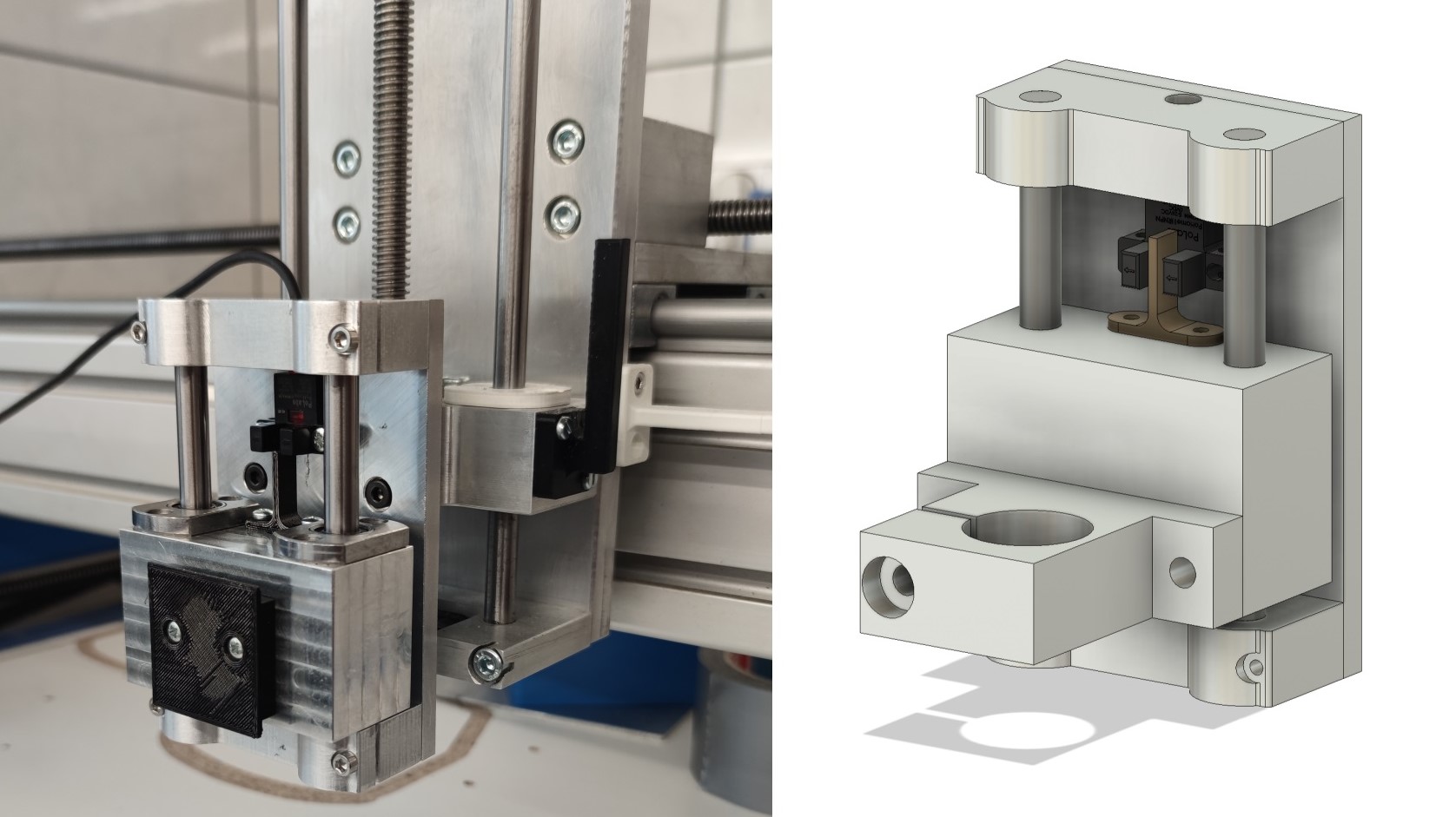
In CNC plasma cutting systems, the Z-axis plays a crucial role in ensuring the accuracy of each cut. The Z-axis controls the vertical movement of the plasma torch, adjusting its height relative to the material surface. Paired with a floating head, this setup significantly enhances the cutting process, offering a more adaptable, consistent, and precise cutting experience. Together, the Z-axis and floating head make it possible to maintain optimal torch height and adapt to irregularities in the material surface, ensuring high-quality cuts across different materials and thicknesses.
The importance of the CNC plasma Z-axis cannot be overstated. Without the Z-axis, maintaining the correct distance between the plasma torch and the material would be nearly impossible, leading to inconsistencies in cut quality and potentially damaging the nozzle or electrode. By precisely controlling the height of the torch, the Z-axis ensures that the plasma arc remains stable throughout the cutting process, minimizing the risks of overheating, excessive wear, or poor cut profiles.
In a typical CNC plasma cutting system, the Z-axis is driven by motors or actuators that allow the torch to move up and down as needed. The height of the plasma torch is essential because it directly influences the quality and precision of the cut. If the torch is too far away from the material, the plasma arc may lose power or fail to make a clean cut. On the other hand, if the torch is too close, the arc can become too concentrated, causing excessive heat buildup, material distortion, or nozzle damage.
A key feature that works in tandem with the Z-axis is the floating head. The floating head is a specialized mechanism that enables the torch to “float” above the material’s surface, making automatic adjustments as the height of the material changes during cutting. This is particularly useful when working with materials that are uneven or have slight variations in thickness. The floating head ensures that the plasma torch maintains an optimal distance from the material by constantly adjusting to the surface, resulting in cleaner cuts and more consistent results.
One of the primary benefits of the floating head system is its ability to compensate for material warping or changes in height due to surface imperfections. For example, if the material is not perfectly flat or has a slight bow in the middle, the floating head will allow the torch to adjust its height to stay within the optimal cutting distance. This feature is especially useful when working with large sheets of metal or parts that have been cut previously, which may not have a uniform thickness throughout.
The CNC plasma Z-axis and floating head system also contribute to reducing operator intervention and improving the overall efficiency of the cutting process. In traditional plasma cutting, operators would have to manually adjust the height of the torch to account for material thickness and surface irregularities. This could be time-consuming and prone to human error, potentially leading to poor cut quality or damage to the cutting equipment. With the Z-axis and floating head, these adjustments are automated, allowing the system to maintain the ideal torch height without the need for manual intervention. This not only speeds up the cutting process but also ensures more consistent results, as the system can make real-time adjustments during operation.
Another advantage of the Z-axis and floating head combination is its ability to protect the plasma torch from damage. As the cutting process unfolds, the torch may occasionally encounter debris, rough spots, or variations in material thickness that could otherwise cause misalignment or damage to the nozzle. The floating head allows the torch to move freely without exerting too much pressure on the surface, reducing the risk of collisions or wear on the torch components. This helps to extend the lifespan of consumables, such as the nozzle and electrode, which are often the most expensive parts of a plasma cutting system.
In addition to improving precision and reducing the potential for equipment damage, the Z-axis and floating head system also contribute to better cut quality. When the torch is at the proper height, the plasma arc remains focused, allowing for smoother, cleaner cuts with minimal slag or dross. This is particularly important for industries where the quality of the finished product is critical, such as aerospace or automotive manufacturing. The ability to maintain consistent height during the cutting process ensures that every cut is precise, whether it’s for straight lines, curves, or intricate shapes.
Furthermore, the CNC plasma Z-axis and floating head system works in synergy with other technologies like PlasmaSensOut, enhancing the overall cutting process. By maintaining optimal torch height in real-time, the floating head and Z-axis system work seamlessly with the feedback provided by PlasmaSensOut, which adjusts the torch height based on surface irregularities and changes. This integration helps optimize the cutting process, improving both efficiency and accuracy.
In conclusion, the CNC plasma Z-axis and floating head system are essential components that contribute significantly to the overall performance of CNC plasma cutting systems. By providing precise control over torch height and enabling real-time adjustments, this system ensures cleaner cuts, reduced wear on consumables, and greater efficiency during operation. The combination of these technologies plays a pivotal role in producing high-quality, accurate cuts, especially when dealing with materials of varying thicknesses and surface conditions. As industries continue to demand faster production and more precise cutting, the Z-axis and floating head system will remain crucial in meeting these needs, enhancing the capabilities of CNC plasma cutting systems for years to come.
Stepping Forward: A Guide to Stepper Motor Drivers and Optimal Performance
Conclusion
In the ever-evolving landscape of modern manufacturing, precision and efficiency are paramount. The integration of technologies like PlasmaSensOut, the CNC plasma Z-axis, and the floating head system has transformed CNC plasma cutting into one of the most effective and versatile methods for producing high-quality metal components. By working in harmony, these technologies provide manufacturers with the ability to achieve exceptional accuracy, reduce operating costs, and significantly enhance the overall cutting process.
PlasmaSensOut, with its real-time feedback and ability to maintain optimal torch height, ensures that the plasma arc remains stable, delivering consistent results regardless of material thickness or surface imperfections. The CNC plasma Z-axis further refines this process by allowing precise vertical movement of the torch, while the floating head system ensures that the torch can adjust to material irregularities, resulting in smoother, cleaner cuts. Together, these technologies automate adjustments that would have traditionally required constant operator intervention, leading to greater productivity and a reduction in human error.
Moreover, this synergy not only boosts cutting quality and consistency but also extends the lifespan of the plasma cutting system by reducing wear on consumables. The result is lower maintenance costs, increased uptime, and more reliable equipment, all of which contribute to a significant reduction in operational expenses. The ability to handle complex designs with high precision and speed further makes CNC plasma cutting an invaluable tool across a wide range of industries, from aerospace to automotive to heavy manufacturing.
Ultimately, the combination of PlasmaSensOut, the CNC plasma Z-axis, and the floating head system represents the cutting edge of plasma cutting technology. These innovations ensure that manufacturers can meet the increasing demands for high-quality, high-speed production while minimizing costs and maximizing efficiency. As technology continues to advance, the role of these systems will only become more vital, helping shape the future of metal fabrication and keeping industries at the forefront of precision manufacturing.